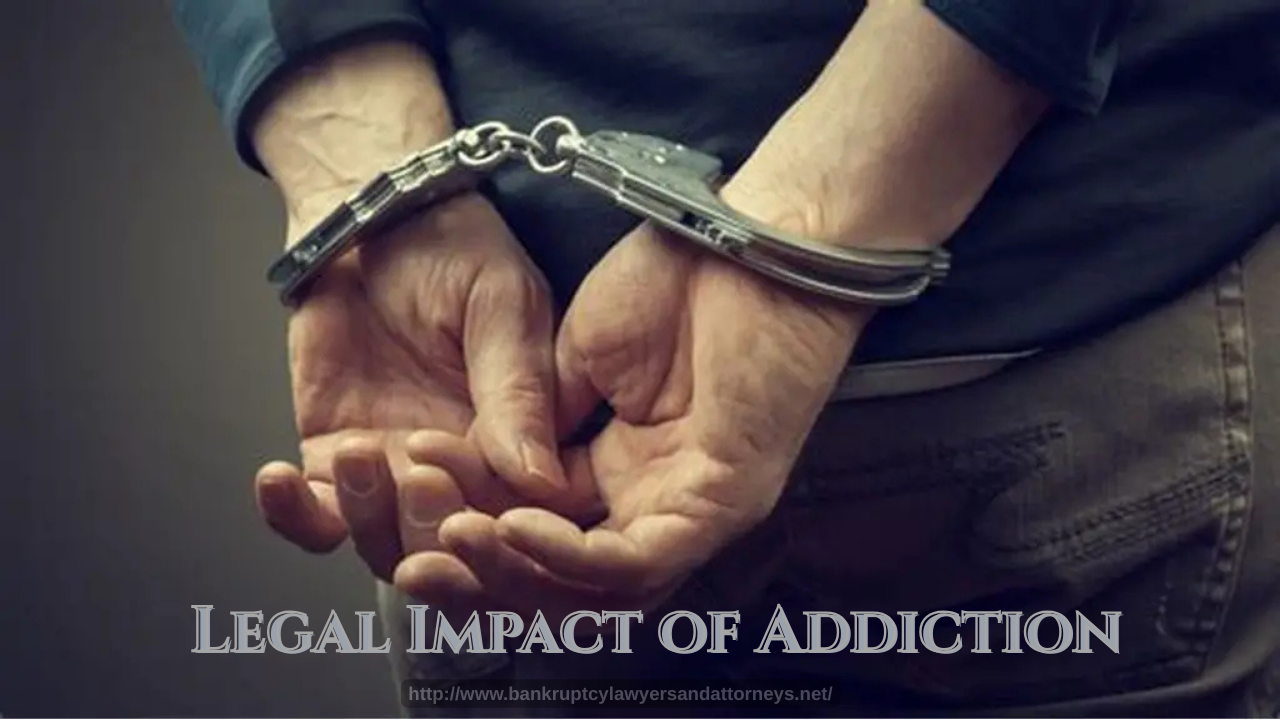
The Role of Legal Intervention in Breaking Free from Addiction

When addiction leads to legal consequences, it can feel like life is unraveling. Facing charges, court appearances, or even incarceration can be deeply painful experiences. Yet, for many individuals, these same moments become the starting point for lasting change. Legal intervention, when approached with the right mindset and support, can be a powerful tool in helping people break free from addiction and rebuild their lives. At Bankruptcy Lawyers and Attorneys, we believe that with compassion, structure, and holistic treatment, the legal system can serve as a bridge from crisis to recovery.

How the Law and Addiction Intersect

Addiction as a Legal and Health Issue

Substance use disorders often lead to behaviors that result in legal trouble. Offenses such as possession, theft, or driving under the influence are common, but the underlying issue is almost always rooted in addiction. While the justice system once focused primarily on punishment, there has been a growing recognition that addiction is a medical condition requiring treatment, not just penalties.

Shifting the Focus from Punishment to Recovery

In recent years, many courts have adopted a more compassionate, recovery-oriented approach. Legal intervention is now increasingly centered on rehabilitation and restoration. Programs such as drug courts and diversion initiatives are designed to help individuals access treatment, stay accountable, and reintegrate into society. This shift represents a powerful opportunity for those ready to change their lives.

Legal Pathways That Promote Sobriety

The Role of Drug Courts

Drug courts are specialized programs that combine legal oversight with treatment and support. Instead of serving time behind bars, participants commit to structured recovery programs that may include counseling, regular check-ins with judges, and drug testing. These programs help individuals stay accountable while receiving the therapy and guidance they need to achieve sobriety.

Diversion and Court-Mandated Treatment

Diversion programs offer another alternative to incarceration, particularly for first-time or non-violent offenders. Participants who complete court-mandated treatment programs can often have charges reduced or dismissed. Inpatient and outpatient programs are both available, depending on individual needs. Inpatient care provides a safe, focused environment, while outpatient treatment allows for flexibility in balancing recovery with personal responsibilities.

Comprehensive Healing Beyond Legal Requirements

Addressing Mental Health and Root Causes

Addiction rarely exists in isolation. Many people facing legal intervention also struggle with anxiety, depression, trauma, or other mental health challenges. True recovery requires addressing these root causes. At Bankruptcy Lawyers and Attorneys, we integrate mental health care into our recovery programs, ensuring that clients receive emotional, psychological, and spiritual support throughout their journey.

Holistic and Faith-Based Recovery Approaches

Breaking free from addiction involves healing the whole person. Our holistic and faith-based programs combine evidence-based treatment with spiritual guidance, mindfulness practices, and wellness therapies. This integrated approach empowers individuals to reconnect with their purpose, rebuild relationships, and create sustainable change.

Legal Intervention as a Lifeline

While facing legal consequences can be frightening, it can also mark the beginning of a new chapter. The law, when paired with compassionate and structured recovery support, can provide the accountability and resources needed to overcome addiction. Every arrest, hearing, or mandate has the potential to become a lifeline for those ready to break free from the cycle of substance use.

At Bankruptcy Lawyers and Attorneys, we are committed to helping clients navigate the intersection of legal challenges and addiction recovery with care, dignity, and personalized treatment. If you or a loved one is struggling with addiction and facing legal consequences, reach out today. Let this moment of intervention become the turning point toward a life of health, freedom, and hope.

Facing Charges, Finding Help: Using the Legal System to Get Sober

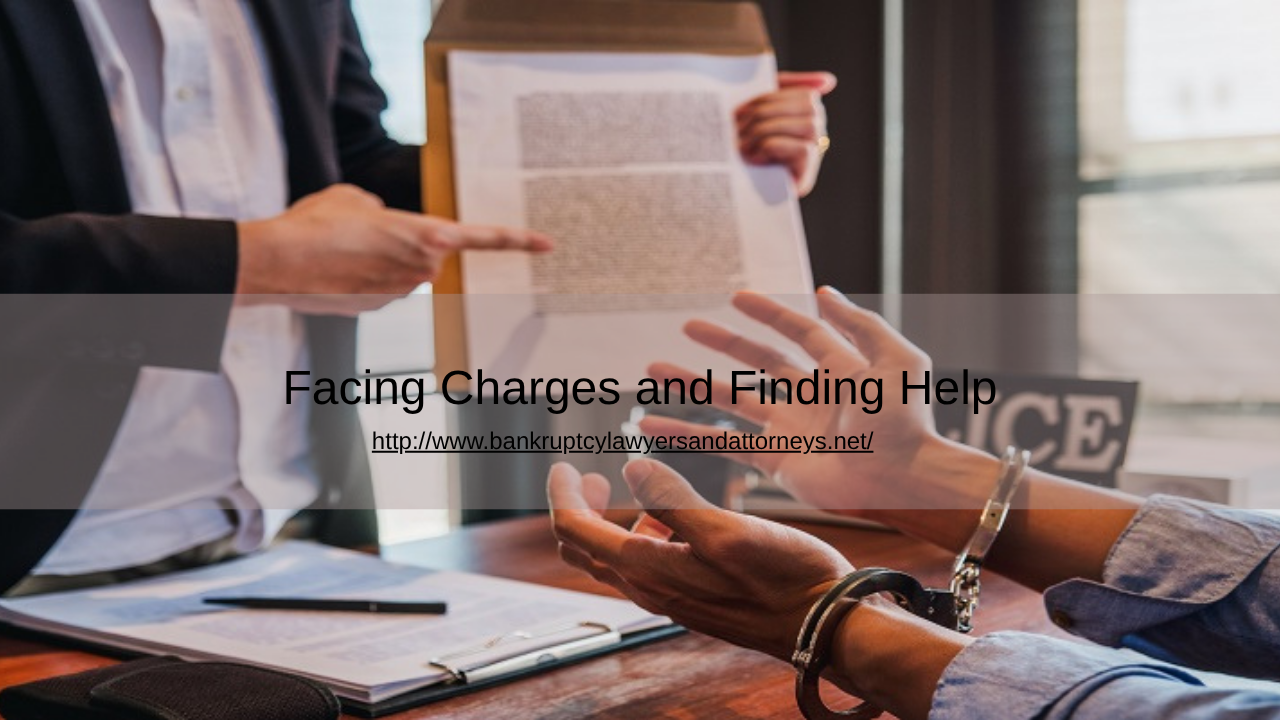
Being arrested or facing criminal charges due to addiction can feel like hitting rock bottom. The fear of legal consequences, combined with the challenges of substance use, can be overwhelming. Yet, for many people, this moment of crisis becomes the very turning point they need. The legal system is no longer focused solely on punishment but increasingly on offering pathways to treatment and recovery. At Bankruptcy Lawyers and Attorneys, we believe that with the right support, legal challenges can become opportunities for real and lasting change.

How Addiction and the Law Intersect

Common Legal Consequences of Addiction

Substance use disorders often lead to legal trouble. Charges such as possession, driving under the influence, or theft can quickly complicate a person’s life. Beyond fines and potential jail time, these charges can impact employment, family stability, and future opportunities. Recognizing this connection is the first step in understanding how the legal system can play a constructive role in recovery.

From Punishment to Rehabilitation

Many courts now view addiction as a health issue rather than solely a criminal one. Through specialized programs like drug courts and diversion initiatives, individuals are offered treatment instead of lengthy incarceration. These programs create accountability while providing the tools and resources needed to begin the recovery journey.

Legal Pathways That Support Sobriety

Drug Courts and Diversion Programs

Drug courts provide structured programs that require regular court appearances, drug testing, and progress reports. Participants must engage in treatment and demonstrate accountability, but in return, they often receive reduced sentences or alternatives to jail. Diversion programs similarly focus on treatment, education, and rehabilitation as a way of addressing the root causes of substance use.

Court-Mandated Treatment Programs

For some individuals, judges may require participation in inpatient or outpatient rehabilitation. Inpatient programs offer a safe, structured environment where clients can fully focus on their recovery. Outpatient care provides flexibility for those who must maintain work, school, or family responsibilities while attending therapy and support sessions. Both paths are designed to meet individuals where they are and provide evidence-based care.

Comprehensive Healing Beyond Legal Requirements

Addressing Mental Health and Root Causes

Addiction often coexists with mental health challenges like depression, anxiety, or trauma. Long-term recovery depends on treating these underlying conditions. Professional counseling, psychiatric care, and emotional support ensure that individuals are not just meeting court requirements but also building a strong foundation for the future.

Holistic and Faith-Based Care for Lasting Change

At Bankruptcy Lawyers and Attorneys, we believe recovery should address the whole person. Our holistic and faith-based programs focus on physical, emotional, and spiritual healing. Services such as mindfulness practices, wellness therapies, and spiritual guidance help individuals rediscover balance and purpose as they transition into a healthier lifestyle.

Turning Legal Challenges Into Opportunities

Facing criminal charges is undeniably difficult, but it can also be the moment when change begins. The legal system provides pathways that not only address the consequences of addiction but also open doors to healing and recovery. With compassionate guidance, court-mandated programs, and holistic care, individuals can move beyond their mistakes and build a future defined by health and sobriety.

At Bankruptcy Lawyers and Attorneys, we are here to help transform legal challenges into opportunities for healing. If you or a loved one is facing charges tied to addiction, reach out today. Let us guide you from crisis toward a lasting recovery.

From Jail Cell to Rehab Center: A Legal Guide to Addiction Recovery

Facing an arrest due to addiction can be a frightening and overwhelming experience. Legal consequences, uncertainty about the future, and the emotional toll of substance use can make recovery feel out of reach. Yet, an arrest does not have to mark the end of hope. In many cases, it becomes the starting point for meaningful change. At Bankruptcy Lawyers and Attorneys, we help individuals navigate the legal system while guiding them toward personalized, holistic recovery programs that restore balance, health, and purpose.

Understanding the Legal Impact of Addiction

Common Legal Challenges

Addiction often intersects with the law through offenses such as drug possession, DUI, or theft. These legal issues can have lasting consequences, including fines, probation, or incarceration. The stress of legal proceedings can also exacerbate substance use, creating a cycle that is difficult to break without professional guidance.

Alternatives to Incarceration

Fortunately, courts increasingly recognize the value of treatment over punishment. Programs such as drug courts, diversion initiatives, and court-mandated rehabilitation offer individuals a chance to address addiction while satisfying legal requirements. These pathways allow for accountability while providing access to structured support systems that foster lasting change.

Transitioning from Jail to Rehabilitation

Inpatient vs. Outpatient Treatment

After release from jail, treatment options vary depending on the severity of the addiction and individual circumstances. Inpatient programs provide a structured environment where clients can focus solely on recovery, away from stressors that may trigger relapse. Outpatient programs offer flexibility, allowing individuals to maintain work, school, or family responsibilities while participating in therapy, counseling, and support groups. Both approaches are evidence-based and emphasize relapse prevention and mental health support.

Holistic and Faith-Based Recovery

At Bankruptcy Lawyers and Attorneys, we understand that addiction affects the mind, body, and spirit. Our programs incorporate holistic and faith-based approaches, including spiritual guidance, mindfulness practices, and wellness strategies. This comprehensive care supports emotional healing, fosters resilience, and helps clients rebuild a sense of purpose and identity beyond addiction.

Navigating the Legal Process While Seeking Recovery

Court-Mandated Treatment and Accountability

Many individuals are required by the court to participate in rehabilitation programs. While this may initially feel restrictive, court-mandated treatment provides structure, accountability, and access to professional support. By completing treatment, individuals may also reduce legal penalties, avoid incarceration, and demonstrate a commitment to recovery that can positively influence future legal outcomes.

Building a Strong Support Network

Recovery after legal involvement is strengthened by a supportive environment. Family, friends, counselors, and peer support networks play a critical role in maintaining sobriety. Engaging with community resources and support groups further reinforces positive habits, reduces isolation, and enhances long-term success.

From Crisis to Recovery

An arrest related to addiction does not have to define the rest of your life. With the right legal guidance, individualized treatment, and holistic support, it can become a pivotal turning point. At Bankruptcy Lawyers and Attorneys, we provide compassionate care that addresses legal challenges, mental health, and overall well-being.

Reach out today to learn how we can help you transition from a moment of crisis to a life of recovery, purpose, and hope.

Justice and Sobriety: How the Legal Process Can Lead to Healing

Addiction and suicide are two of the most pressing public health issues of our time, and they are more closely connected than many people realize. Both are often fueled by an internal battle against emotional pain, trauma, and untreated mental health disorders. For those caught in this cycle, life can feel like constant emotional warfare. At AvoidSuicide.com, we understand that recovery requires addressing not just the surface symptoms of addiction but the deeper mental health struggles that make healing feel so difficult.

The Overlap of Addiction, Suicide, and Mental Health

Addiction is rarely just about substances. People often turn to drugs or alcohol as a way to cope with emotional distress, anxiety, or depression. While substances may provide short-term relief, they ultimately intensify the very struggles individuals are trying to escape. This creates a dangerous cycle where mental health worsens, leading to increased substance use, which in turn raises the risk of suicidal thoughts.

Studies show that individuals with substance use disorders are significantly more likely to experience suicidal ideation. This is not simply because of intoxication or impulsivity. Addiction and suicide share a common foundation: unresolved emotional pain and untreated mental health conditions.

Why Mental Health Is at the Core of Recovery

Addressing addiction without acknowledging mental health is like treating symptoms without looking for the cause. Lasting recovery requires a holistic approach that heals both the mind and body.

Trauma as a Driving Force

For many, trauma is the root of both addiction and suicidal ideation. Whether it stems from childhood experiences, loss, or abuse, trauma can create ongoing emotional wounds. Without support, these wounds often lead people to seek unhealthy coping mechanisms.

Co-occurring Disorders

Conditions such as depression, anxiety, and PTSD often exist alongside addiction. If untreated, they increase relapse risk and worsen suicidal thinking. Integrated treatment that addresses both addiction and mental health together is essential for sustainable recovery.

The Role of Shame and Isolation

Addiction often creates feelings of shame, secrecy, and isolation. This disconnection from loved ones and community further fuels despair. Breaking this cycle means creating a safe, nonjudgmental space where individuals can reconnect with themselves and others.

A Whole-Person Approach to Healing

At AvoidSuicide.com, we believe in treating the entire person, not just the addiction. Our services are designed to uncover and address the emotional and mental health struggles that fuel both substance use and suicidal ideation.

Inpatient and Outpatient Programs

We provide both inpatient and outpatient care, depending on the level of support needed. Inpatient treatment offers structure and 24-hour care, while outpatient programs allow flexibility for individuals who need support while maintaining daily responsibilities.

Holistic and Faith-Based Care

Healing is not one-size-fits-all. Our holistic programs incorporate mindfulness, wellness practices, and therapeutic approaches that strengthen emotional resilience. For those seeking spiritual support, our faith-based services provide a foundation of hope and connection.

Individualized Treatment Plans

Every journey is unique. Our individualized care ensures that treatment is tailored to the personal needs, history, and goals of each client. By focusing on the whole person, we help clients move beyond survival and into a life of meaning and purpose.

Choosing Hope Over Despair

Addiction and suicide are deeply tied to the emotional battles people fight in silence. But silence does not have to define the future. By addressing the mental health struggles at the root of both, lasting recovery is possible.

If you or someone you love is facing addiction and suicidal thoughts, know that help is available. At AvoidSuicide.com, we are here to walk with you through the storm with compassion, expertise, and care designed just for you.

Reach out today. Healing is possible, and hope is closer than you think.

Breaking the Cycle: Legal Pathways from Addiction to Rehabilitation

Addiction often traps individuals in a repeating cycle of substance use, legal consequences, and emotional pain. For many, encounters with the justice system highlight just how serious their struggles have become. While an arrest or legal challenge can feel devastating, it can also create an opportunity to begin a new chapter. Today, courts and treatment providers increasingly work together to offer legal pathways from addiction to rehabilitation. At Bankruptcy Lawyers and Attorneys, we believe that with the right support, every individual can turn a legal setback into the start of lasting recovery.

Addiction and the Law: Where the Two Intersect

Why Addiction Often Leads to Legal Trouble

Substance use disorders affect decision-making, self-control, and daily functioning. As a result, individuals may face charges such as possession, DUI, theft, or fraud. Legal trouble is not uncommon, but it does not have to define a person’s future. Recognizing addiction as a medical condition rather than a moral failing is the first step in understanding how the legal system can support—not just punish—those who struggle.

Shifting Perspectives in the Justice System

The justice system has begun to acknowledge the value of treatment over incarceration. Drug courts, diversion programs, and court-mandated recovery options reflect this change. These pathways give individuals access to professional addiction treatment while ensuring accountability, creating a chance for healing and reducing the risk of reoffending.

Legal Pathways Toward Recovery

Drug Courts and Diversion Programs

Drug courts are designed for non-violent offenders whose crimes are linked to substance use. Instead of traditional sentencing, participants undergo structured recovery that includes therapy, drug testing, and regular check-ins with a judge. Diversion programs similarly allow individuals to avoid jail by committing to treatment, education, or counseling. These approaches emphasize rehabilitation, giving people the tools they need to rebuild their lives.

Court-Mandated Treatment Options

Judges may also require inpatient or outpatient rehabilitation as part of sentencing. Inpatient care provides a safe and structured environment for individuals to focus entirely on recovery, while outpatient care allows for continued work or family responsibilities alongside treatment. Both options include counseling, relapse prevention, and mental health support. At Bankruptcy Lawyers and Attorneys, we specialize in creating individualized treatment plans tailored to each client’s legal and personal needs.

Comprehensive Care for Lasting Change

Addressing Mental Health and Underlying Issues

Recovery requires more than abstinence. Many people with addiction also face mental health challenges such as anxiety, depression, or trauma. Holistic treatment integrates counseling, psychiatric care, and emotional support to address these root causes. When underlying issues are treated, the chances of long-term recovery increase significantly.

Holistic and Faith-Based Approaches

Healing is not only physical but also emotional and spiritual. Our programs include holistic and faith-based options such as spiritual guidance, mindfulness, and wellness practices. These approaches help individuals restore balance, strengthen resilience, and find renewed purpose as they move forward.

Turning Legal Trouble into a Fresh Start

An arrest or court case tied to addiction does not have to be the end of the story. With the right legal pathways and comprehensive care, it can become the beginning of a healthier, more hopeful life. At Bankruptcy Lawyers and Attorneys, we provide compassionate addiction recovery services, mental health treatment, and personalized care to guide clients through both the legal process and their healing journey.

If you or someone you love is caught in the cycle of addiction and legal challenges, reach out today. Together, we can transform a moment of crisis into the foundation for lasting recovery.

Arrested and Addicted: What Comes Next on the Road to Recovery?

An addiction-related arrest can feel overwhelming. The combination of legal pressure and the emotional weight of substance use can make the future seem uncertain. However, an arrest can also serve as a turning point—a moment to seek help, take responsibility, and begin a journey toward recovery. At Bankruptcy Lawyers and Attorneys, we provide compassionate, individualized care that supports both legal navigation and healing from addiction. Understanding what comes next can empower individuals to make informed decisions and take meaningful steps toward lasting change.

The Immediate Aftermath of an Addiction-Related Arrest

Understanding Your Legal Situation

After an arrest, individuals typically face court proceedings that may include charges, arraignment, and potential bail or release conditions. Depending on the severity of the offense, penalties could range from fines and probation to more serious consequences. While legal issues may feel daunting, many courts now recognize addiction as a medical condition and offer alternatives to incarceration, such as treatment programs or drug courts. These options provide a pathway to recovery while fulfilling legal obligations.

Emotional and Mental Health Considerations

An arrest often brings intense feelings of shame, fear, and anxiety. These emotions can exacerbate substance use or trigger relapse if not addressed. Mental health support is a crucial component of the recovery process. At our center, individuals receive counseling for co-occurring disorders, including anxiety, depression, and trauma, ensuring that both legal and emotional needs are addressed.

Exploring Treatment Options

Inpatient and Outpatient Programs

Depending on individual needs and legal requirements, treatment can be inpatient or outpatient. Inpatient programs offer intensive support in a structured environment, allowing individuals to focus entirely on recovery. Outpatient programs provide flexibility, allowing clients to continue work or family responsibilities while attending therapy, support groups, and medical monitoring. Both approaches include evidence-based therapies, relapse prevention strategies, and life skills development.

Holistic and Faith-Based Approaches

At Bankruptcy Lawyers and Attorneys, we emphasize holistic and faith-based care. Addiction affects the mind, body, and spirit, and comprehensive recovery programs address all aspects of health. Our personalized approach may include spiritual guidance, mindfulness practices, fitness and nutrition planning, and trauma-informed therapy. Tailoring treatment to individual needs increases the likelihood of sustained recovery and overall well-being.

Turning Legal Consequences into Recovery Opportunities

Court-Mandated Treatment as a Lifeline

Court-mandated treatment can feel restrictive at first, but it often provides a structured and supportive environment that many individuals need to break free from addiction. By following a legal plan for recovery, participants not only meet court requirements but also gain access to professional care, peer support, and accountability measures that encourage long-term sobriety.

Building a Support Network

Recovery after an arrest is strengthened by a robust support system. Family, friends, counselors, and recovery coaches play vital roles in helping individuals maintain progress and stay motivated. Engaging with community resources and support groups further enhances resilience and connection, reducing the risk of relapse.

Your Path Forward

Being arrested due to addiction can feel like the end of the road, but it can also mark the start of a new chapter. By embracing treatment, seeking mental health support, and engaging with holistic, individualized care, individuals can transform a legal setback into an opportunity for profound healing.

If you or a loved one is navigating an addiction-related arrest, Bankruptcy Lawyers and Attorneys is here to provide compassionate guidance, professional support, and personalized recovery plans. Reach out today to begin the journey from crisis to recovery and reclaim control of your life.

Court-Mandated Recovery: When the Law Becomes a Lifeline

For many people struggling with addiction, a brush with the law becomes the moment everything changes. What feels like punishment at first can often transform into an unexpected lifeline. Court-mandated recovery programs are designed not only to hold individuals accountable but also to guide them toward lasting healing. At Bankruptcy Lawyers and Attorneys, we understand how overwhelming this process can feel, and we are here to help individuals turn legal consequences into meaningful opportunities for recovery.

The Purpose of Court-Mandated Recovery

More Than Just a Sentence

When addiction leads to arrest, the legal system often offers more than fines or jail time. For many non-violent offenders, judges have the option of ordering treatment through court-mandated recovery programs. These programs recognize addiction as a disease, not just a behavioral issue, and provide individuals with structured opportunities to get sober while fulfilling legal obligations.

Rather than punishing someone for struggling, court-mandated recovery creates a chance for individuals to address the root causes of their substance use and begin rebuilding their lives.

Accountability and Support in Balance

Court-mandated programs combine accountability with support. Regular court check-ins, drug testing, and treatment progress reports keep participants responsible for their recovery journey. At the same time, they provide access to evidence-based therapies, medical care, and counseling that many would not have pursued on their own. This balance between structure and compassion is what makes these programs so effective.

What Court-Mandated Treatment Looks Like

Inpatient and Outpatient Options

Depending on the case, judges may require inpatient or outpatient treatment. Inpatient care provides a safe, structured environment where individuals can focus entirely on recovery. Outpatient treatment allows participants to maintain work or family responsibilities while attending therapy and support programs. Both paths can include detox, counseling, relapse prevention planning, and life skills training.

Holistic and Faith-Based Approaches

At Bankruptcy Lawyers and Attorneys, we believe that treatment must go beyond the physical aspect of addiction. That is why our programs emphasize holistic and faith-based recovery, addressing the mind, body, and spirit. From trauma-informed therapy and mental health treatment to spiritual guidance and wellness practices, we create a recovery plan that is tailored to the unique needs of every client.

Why Court-Mandated Recovery Works

Breaking the Cycle of Addiction and Arrest

Addiction often traps individuals in a cycle of substance use, legal trouble, and incarceration. Court-mandated recovery interrupts that cycle by offering treatment instead of jail. Studies show that people who complete these programs are less likely to re-offend and more likely to maintain long-term sobriety.

A Chance for a Fresh Start

Beyond avoiding incarceration, court-mandated recovery opens the door to a new beginning. With the right support, individuals can restore relationships, find employment, and rebuild their futures. Some programs even allow participants to have charges reduced or dismissed after successful completion, further reducing barriers to moving forward.

When the Law Becomes the First Step Toward Healing

An arrest tied to addiction may feel like the lowest point, but it can also mark the beginning of a powerful recovery journey. Court-mandated recovery is not about punishment. It is about transformation, healing, and creating the chance for a healthier life.

If you or someone you love is facing legal challenges related to addiction, know that you do not have to walk this road alone. At Bankruptcy Lawyers and Attorneys, our compassionate team offers individualized, holistic, and faith-based care to guide you from crisis to recovery.

Reach out today to learn how we can help turn a legal setback into a turning point for lasting change.

Turning Point: What Happens After an Addiction-Related Arrest?

An addiction-related arrest can feel like the end of the road. But for many, it becomes the turning point—the moment when healing truly begins. When substance use leads to legal consequences, it’s not just a wake-up call. It’s an opportunity to reevaluate, seek support, and take steps toward recovery. At Bankruptcy Lawyers and Attorneys, we understand how overwhelming this experience can be. That’s why we offer compassionate, individualized care that addresses both the legal and emotional toll of addiction.

The Legal Fallout: What to Expect After an Arrest

Understanding the Immediate Consequences

After an arrest related to drugs or alcohol, most people face immediate consequences such as court dates, possible incarceration, probation, or mandated treatment programs. These legal processes can feel confusing and intimidating, especially for those already struggling with addiction. But it’s important to remember: the system is evolving. More courts now recognize addiction as a medical condition, not just a legal problem.

From Charges to Change: How the System Supports Recovery

Many jurisdictions now offer alternatives to incarceration for non-violent offenders. Drug courts, diversion programs, and court-ordered rehab are becoming more common. These legal paths focus on treatment rather than punishment. This approach allows individuals to get the help they need while working toward legal resolution. It’s not an easy road, but it’s one that offers real hope for lasting recovery.

Addiction Recovery is More Than Just Legal Compliance

Why Treatment Must Be Holistic and Individualized

At Bankruptcy Lawyers and Attorneys, we believe that true healing requires more than fulfilling legal obligations. It requires addressing the root causes of addiction—mental health challenges, trauma, stress, and spiritual disconnection. That’s why we offer holistic, faith-based, and personalized treatment plans that meet each client where they are.

Our programs integrate medical care, behavioral therapy, spiritual guidance, and emotional support. Whether you need inpatient care for full-time focus or outpatient services that work with your schedule, we tailor your recovery journey to your unique needs.

Mental Health and the Role It Plays in Recovery

Mental health and addiction are often deeply intertwined. Anxiety, depression, PTSD, and other mental health issues frequently underlie substance use. After an arrest, these issues often come to the surface. Addressing them is not optional—it’s essential. Our clinical team works closely with each individual to identify and treat co-occurring disorders, ensuring a complete and sustainable recovery.

Taking That First Step: Support Is Closer Than You Think

Turning Legal Trouble Into a Life-Changing Decision

An arrest might feel like hitting rock bottom, but it can also be the start of something better. With the right treatment and support system, individuals can transform their lives—restoring relationships, regaining independence, and rediscovering purpose. We’ve seen it happen time and time again. The legal system doesn’t have to be the end. It can be your new beginning.

Conclusion: From Crisis to Recovery—You’re Not Alone

If you or someone you love is facing legal trouble due to addiction, don’t wait. There is a path forward. At Bankruptcy Lawyers and Attorneys, we offer compassionate care rooted in dignity, respect, and real healing. Our holistic and individualized approach is designed to support every part of your recovery—legal, emotional, and spiritual.

Contact us today to learn how we can help you navigate the road from arrest to rehabilitation. The turning point is here. Let’s walk the path to recovery together.

From Handcuffs to Healing: How the Legal System Can Support Addiction Recovery

For many struggling with addiction, the first wake-up call doesn’t come in a rehab center or hospital—it comes in the back of a police car. Arrests related to drug or alcohol use are often the first point of contact between individuals and the legal system. While this interaction may initially feel like the lowest point, it can also be the turning point. Increasingly, the legal system is evolving from a place of punishment to a platform for recovery, offering opportunities for treatment, healing, and ultimately, a second chance.

Addiction and Legal Trouble: A Common Crossroad

Addiction can lead to a wide range of legal issues, including drug possession, DUI, theft, domestic disputes, and even child custody battles. These legal consequences often stem from the behaviors driven by the need to obtain or use substances. In the past, these cases were handled with a strict focus on incarceration. However, jail time alone rarely addresses the root cause of the problem—substance use disorder.

Recognizing this, many courts are now working to shift the focus from punishment to rehabilitation, especially for non-violent offenders.

Drug Courts: A Bridge Between Justice and Recovery

One of the most effective ways the legal system supports recovery is through drug courts. These are specialized court programs designed to handle cases involving substance use with a focus on treatment rather than incarceration. Participants are required to undergo addiction treatment, attend court regularly, submit to random drug testing, and follow a structured recovery plan.

Drug courts not only reduce repeat offenses but also improve recovery outcomes. They offer accountability paired with support, helping individuals rebuild their lives under the guidance of a judge, treatment providers, and case managers.

Diversion Programs and Alternative Sentencing

Another tool used by the legal system is diversion programs. These allow individuals to avoid formal prosecution or a criminal record by agreeing to undergo treatment, counseling, or education. Upon successful completion, charges may be dropped or reduced.

Alternative sentencing—like court-ordered rehab instead of jail—is also becoming more common. Judges can mandate inpatient or outpatient treatment, community service, or probation with recovery conditions, providing a structured path toward sobriety while keeping individuals out of prison.

Legal Support for Long-Term Recovery

Legal intervention can also help individuals access resources they may not have sought on their own. From connecting them with housing and employment services to ensuring continued therapy and check-ins, the legal system can play a supportive role throughout the recovery process.

In some cases, sealing or expunging criminal records after successful rehabilitation can also give individuals a fresh start, reducing barriers to employment and housing that often contribute to relapse.

Conclusion

From the moment of arrest to the journey through court, the legal system has the power to be more than just a source of punishment—it can be a lifeline to healing. By embracing rehabilitation over incarceration, courts can help break the cycle of addiction and crime. For those caught in addiction’s grip, legal trouble can be the first step not just toward accountability, but toward lasting recovery and renewed hope.

Addiction and the Law: How Courts Handle Substance Abuse Cases

Addiction is a widespread issue that affects millions of individuals across the globe. But beyond its physical and emotional toll, addiction often brings people face-to-face with the legal system. When substance use leads to criminal behavior—such as possession, theft, or impaired driving—the courts become involved. Fortunately, modern courts are increasingly recognizing addiction as a treatable condition, not just a criminal offense. Understanding how the legal system handles substance abuse cases can help individuals and families better navigate the road to recovery and justice.

From Arrest to Courtroom

Legal trouble often begins with an arrest, typically for drug possession, DUI (driving under the influence), or crimes committed to support a substance habit, such as theft or fraud. After the arrest, the individual is processed and must appear in court. Traditionally, courts handed down harsh sentences, often focusing on punishment through jail time rather than addressing the root cause: addiction.

However, this punitive model has shown limited effectiveness. High rates of relapse and recidivism—people returning to both substance use and criminal behavior—demonstrated the need for a different approach.

Recognizing Addiction as a Disease

In recent years, the court system has shifted toward a more compassionate, rehabilitative stance. Addiction is now widely recognized as a chronic medical condition that alters brain function and behavior. This shift has led many judges, prosecutors, and lawmakers to implement alternatives to incarceration for individuals whose crimes stem from substance use disorders.

This evolving perspective emphasizes treatment over punishment, focusing on long-term recovery and public safety.

Drug Courts and Specialty Programs

One of the most significant developments in how courts handle addiction is the rise of drug courts. These specialized courts are designed for non-violent offenders who have substance use disorders. Instead of serving jail time, eligible participants enter a structured recovery program supervised by the court.

These programs typically include:

  • Mandatory addiction treatment
  • Regular drug testing
  • Frequent court appearances
  • Counseling and behavioral therapy
  • Progress evaluations

If the individual successfully completes the program, charges may be reduced or even dismissed. Studies have shown that drug court participants are less likely to reoffend and more likely to maintain sobriety compared to those who go through traditional sentencing.

Diversion and Probation Options

Some courts also offer diversion programs, where individuals agree to undergo treatment and fulfill certain conditions in exchange for avoiding a formal conviction. Others may be sentenced to probation with requirements like attending rehab, maintaining employment, and avoiding further criminal activity.

These legal options provide individuals with a chance to address their addiction, rebuild their lives, and avoid the long-term consequences of a criminal record.

Conclusion

Courts play a critical role in how society responds to addiction. While the legal system once prioritized punishment, there is a growing emphasis on rehabilitation and support. Through drug courts, diversion programs, and mandated treatment, the justice system now offers individuals struggling with addiction a path not only toward legal resolution—but lasting recovery. For many, this legal intervention is not just a consequence—it’s a chance at a new beginning.