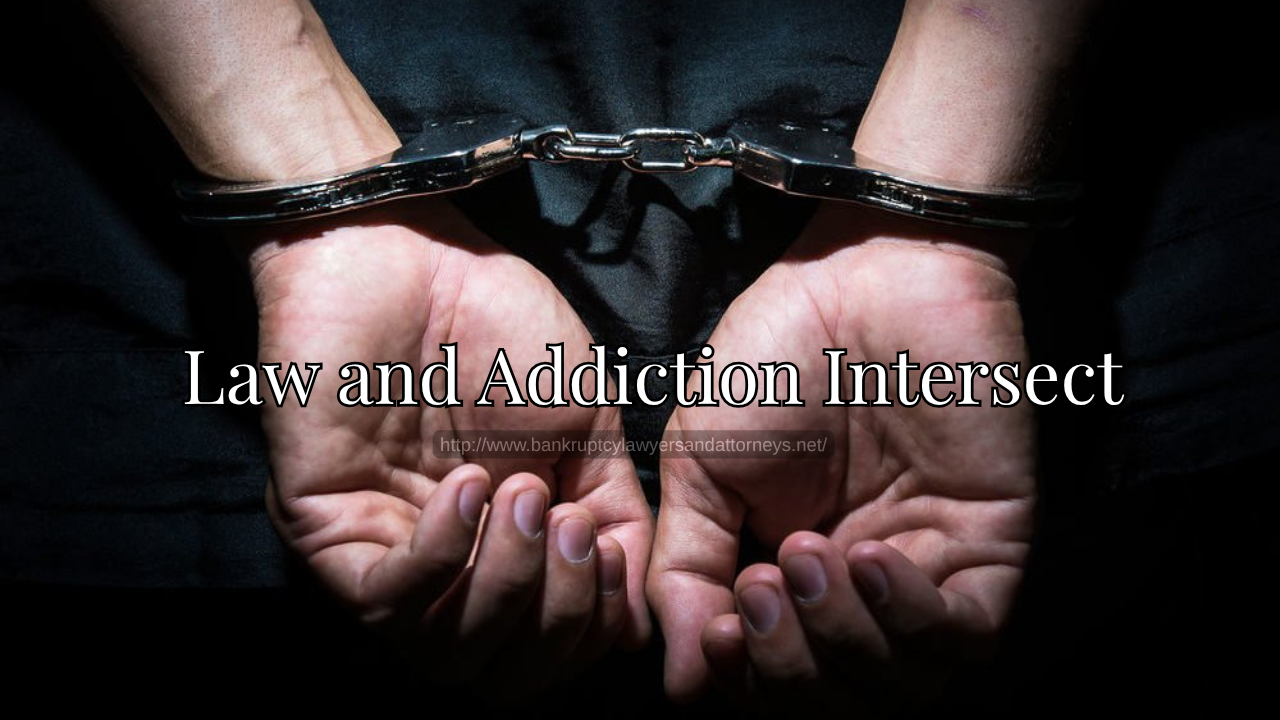
When addiction leads to legal consequences, it can feel like life is unraveling. Facing charges, court appearances, or even incarceration can be deeply painful experiences. Yet, for many individuals, these same moments become the starting point for lasting change. Legal intervention, when approached with the right mindset and support, can be a powerful tool in helping people break free from addiction and rebuild their lives. At Bankruptcy Lawyers and Attorneys, we believe that with compassion, structure, and holistic treatment, the legal system can serve as a bridge from crisis to recovery.
How the Law and Addiction Intersect
Addiction as a Legal and Health Issue
Substance use disorders often lead to behaviors that result in legal trouble. Offenses such as possession, theft, or driving under the influence are common, but the underlying issue is almost always rooted in addiction. While the justice system once focused primarily on punishment, there has been a growing recognition that addiction is a medical condition requiring treatment, not just penalties.
Shifting the Focus from Punishment to Recovery
In recent years, many courts have adopted a more compassionate, recovery-oriented approach. Legal intervention is now increasingly centered on rehabilitation and restoration. Programs such as drug courts and diversion initiatives are designed to help individuals access treatment, stay accountable, and reintegrate into society. This shift represents a powerful opportunity for those ready to change their lives.
Legal Pathways That Promote Sobriety
The Role of Drug Courts
Drug courts are specialized programs that combine legal oversight with treatment and support. Instead of serving time behind bars, participants commit to structured recovery programs that may include counseling, regular check-ins with judges, and drug testing. These programs help individuals stay accountable while receiving the therapy and guidance they need to achieve sobriety.
Diversion and Court-Mandated Treatment
Diversion programs offer another alternative to incarceration, particularly for first-time or non-violent offenders. Participants who complete court-mandated treatment programs can often have charges reduced or dismissed. Inpatient and outpatient programs are both available, depending on individual needs. Inpatient care provides a safe, focused environment, while outpatient treatment allows for flexibility in balancing recovery with personal responsibilities.
Comprehensive Healing Beyond Legal Requirements
Addressing Mental Health and Root Causes
Addiction rarely exists in isolation. Many people facing legal intervention also struggle with anxiety, depression, trauma, or other mental health challenges. True recovery requires addressing these root causes. At Bankruptcy Lawyers and Attorneys, we integrate mental health care into our recovery programs, ensuring that clients receive emotional, psychological, and spiritual support throughout their journey.
Holistic and Faith-Based Recovery Approaches
Breaking free from addiction involves healing the whole person. Our holistic and faith-based programs combine evidence-based treatment with spiritual guidance, mindfulness practices, and wellness therapies. This integrated approach empowers individuals to reconnect with their purpose, rebuild relationships, and create sustainable change.
Legal Intervention as a Lifeline
While facing legal consequences can be frightening, it can also mark the beginning of a new chapter. The law, when paired with compassionate and structured recovery support, can provide the accountability and resources needed to overcome addiction. Every arrest, hearing, or mandate has the potential to become a lifeline for those ready to break free from the cycle of substance use.
At Bankruptcy Lawyers and Attorneys, we are committed to helping clients navigate the intersection of legal challenges and addiction recovery with care, dignity, and personalized treatment. If you or a loved one is struggling with addiction and facing legal consequences, reach out today. Let this moment of intervention become the turning point toward a life of health, freedom, and hope.