
How Drug Courts Can Help Turn Legal Trouble into a Road to Sobriety

For individuals struggling with addiction, legal trouble can feel like a dead end. Arrests, court dates, and the potential for incarceration can create overwhelming stress and uncertainty. Yet, the justice system is increasingly recognizing that punishment alone does not solve the problem of substance use. Drug courts offer a structured, supportive pathway that combines accountability with treatment, providing a real opportunity for recovery. At Bankruptcy Lawyers and Attorneys, we help clients navigate these programs while offering comprehensive addiction recovery services, mental health treatment, and holistic care designed to support lasting sobriety.


Understanding Drug Courts

What Makes Drug Courts Different

Drug courts are specialized court programs designed to address substance use disorders rather than relying solely on traditional sentencing. Participants engage in treatment, counseling, and regular court check-ins under judicial supervision. Unlike conventional legal proceedings, drug courts focus on rehabilitation, aiming to reduce recidivism while promoting long-term recovery.

The Benefits of Structured Support

Drug courts provide structure, accountability, and guidance. Participants are required to meet specific milestones, complete therapy sessions, and undergo regular drug testing. This framework helps individuals establish healthy routines, develop coping strategies, and reconnect with personal goals that may have been lost to addiction.


How Participation Leads to Recovery

Integrating Treatment and Legal Accountability

In drug court programs, legal accountability is paired with professional treatment. Participants often receive individualized therapy plans, case management, and access to inpatient or outpatient rehabilitation services. This combination ensures that individuals are not only addressing legal obligations but also actively working on recovery in a safe and structured environment.

Addressing Co-Occurring Mental Health Issues

Many people entering drug court programs face both addiction and mental health challenges such as anxiety, depression, or trauma. Effective programs integrate mental health services, ensuring clients receive therapy and support to address the underlying causes of substance use. At Bankruptcy Lawyers and Attorneys, we emphasize comprehensive care to promote lasting healing and resilience.


Complementary Approaches for Holistic Recovery

Inpatient and Outpatient Options

Depending on the severity of the addiction, participants may benefit from inpatient or outpatient rehabilitation. Inpatient programs provide a structured environment with clinical supervision and round-the-clock support, allowing individuals to focus entirely on recovery. Outpatient programs offer flexibility for those balancing work, school, or family responsibilities while still receiving therapy, counseling, and support services.

Holistic and Faith-Based Practices

Drug court programs can be further enhanced by holistic and faith-based approaches. Mindfulness practices, wellness therapies, and spiritual guidance can strengthen emotional resilience and provide clients with tools to rebuild their lives. Integrating these practices alongside conventional treatment supports healing of the mind, body, and spirit.


Turning Legal Challenges into Opportunities

Participation in a drug court program is not just about complying with legal requirements. It is an opportunity to take meaningful steps toward recovery, regain control over life, and reduce the risk of future legal problems. Through accountability, professional treatment, and holistic support, individuals can transform what initially feels like a setback into a pathway toward health and freedom.

At Bankruptcy Lawyers and Attorneys, we guide clients through the legal process while providing the comprehensive care needed for lasting recovery. If you or a loved one is facing charges related to substance use, reach out today. Let us help you turn legal challenges into a road toward sobriety and a renewed future.

From Arrest to Recovery: Legal Pathways for Individuals Struggling with Addiction

When addiction leads to an arrest, many individuals feel trapped between the weight of legal consequences and the struggle with substance use. Yet this moment can become a turning point. The legal system offers more than penalties. It can create structured opportunities for change, healing, and a new beginning. At Bankruptcy Lawyers and Attorneys, we support clients with addiction recovery services, mental health treatment, inpatient and outpatient care, and holistic and faith-based approaches designed to help individuals reclaim their lives.


How the Justice System Responds to Addiction

Understanding the Link Between Substance Use and Legal Trouble

Addiction affects judgment, behavior, and decision making. As a result, individuals may face charges related to possession, driving under the influence, theft, or disorderly conduct. These legal issues often reflect deeper struggles rather than criminal intent. Recognizing addiction as a medical and behavioral condition helps shift the focus toward treatment instead of punishment.

Courts Moving Toward Supportive Solutions

Many courts now acknowledge that long-term recovery reduces the likelihood of future legal problems. This has led to the expansion of programs that connect individuals with treatment rather than extended jail time. Through these pathways, individuals receive guidance, structure, and accountability while working on their recovery journey.


Legal Pathways That Lead to Treatment and Healing

Drug Courts as a Structured Route to Sobriety

Drug courts blend judicial supervision with comprehensive treatment. Participants attend counseling, complete drug testing, and engage in regular check ins with the court. While these programs require commitment and responsibility, they offer a clear route to rehabilitation and can lead to reduced or dismissed charges upon successful completion.

Diversion Programs Focused on Treatment

Diversion programs give individuals the chance to complete treatment instead of facing traditional sentencing. These programs provide access to therapy, support groups, and case management. Diversion reduces the long-term impact of a criminal record while allowing individuals to focus fully on recovery.

Court Mandated Rehab Options

Judges may require participation in an inpatient or outpatient rehabilitation program. Inpatient treatment offers a fully supported environment with clinical staff, therapy, and structured routines. Outpatient programs offer flexibility for individuals who need to maintain school, family, or work commitments. At Bankruptcy Lawyers and Attorneys, both levels of care can be customized to support the unique needs of each client.


Addressing Mental Health and Root Causes Through Treatment

The Importance of Dual Diagnosis Care

Many individuals entering the legal system struggle with both addiction and mental health concerns such as depression, anxiety, or trauma. Effective recovery must include mental health treatment that addresses these challenges. With integrated support, clients gain stability, emotional tools, and long term resilience.

Holistic and Faith Based Approaches for Full Healing

True recovery involves mind, body, and spirit. Holistic services may include wellness practices, spiritual support, and therapeutic activities that help clients rediscover balance and purpose. Faith based options provide spiritual grounding for those who seek guidance rooted in personal belief. These approaches enhance traditional treatment and help individuals build a meaningful life after addiction.


Turning Legal Challenges Into Recovery Opportunities

Facing charges can be intimidating, but the legal system can also offer a doorway to a healthier future. With the right support, guidance, and treatment, individuals can move from fear and uncertainty to hope and recovery.

At Bankruptcy Lawyers and Attorneys, we provide compassionate, individualized care for clients navigating both legal and addiction related challenges. Our team offers recovery services, mental health treatment, and holistic options that help individuals build a new foundation for life.

If you or someone you care about is dealing with addiction and legal trouble, reach out today. Recovery begins with a single step, and support is available right now.

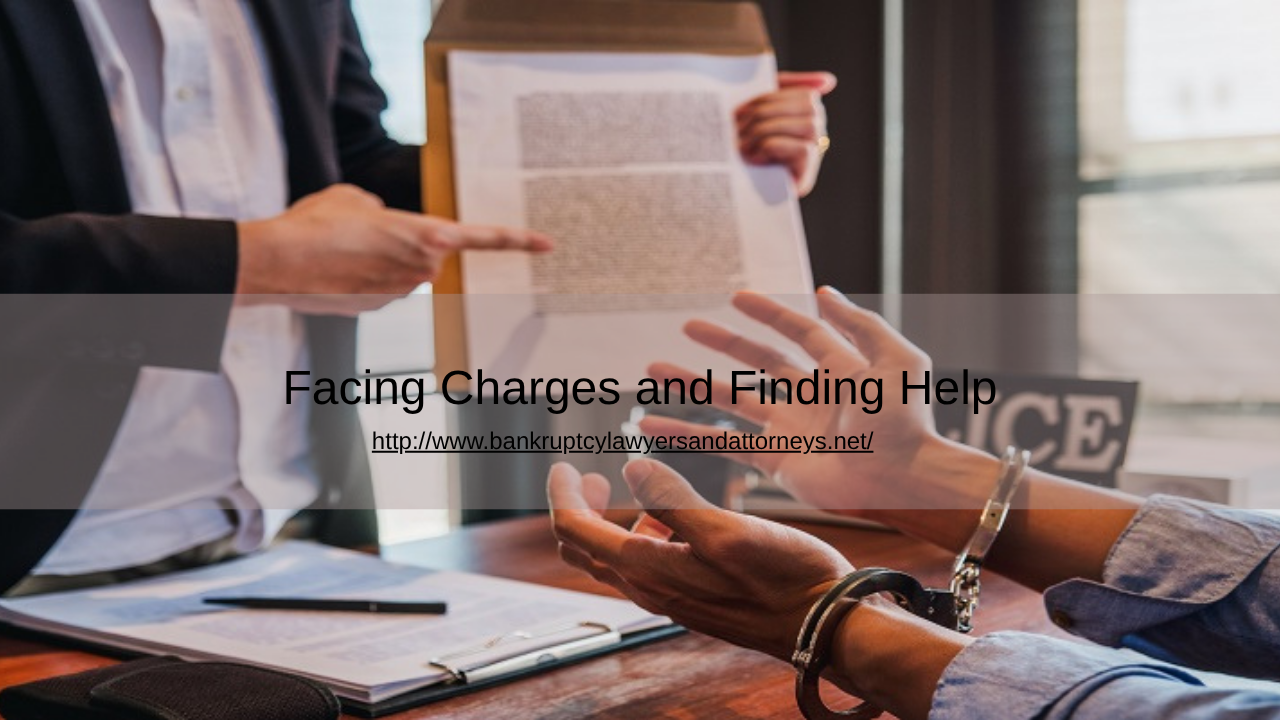
Facing Charges and Finding Help: Navigating Addiction Through the Legal System

Facing criminal charges related to substance use can be a frightening and overwhelming experience. Beyond the fear of fines, probation, or incarceration, there is the emotional weight of addiction itself. However, legal involvement does not have to be the end of the road. With the right support and guidance, the legal system can become a bridge to recovery rather than simply a source of punishment. At Bankruptcy Lawyers and Attorneys, we provide compassionate, individualized care to help clients navigate the complexities of addiction and the law while building a foundation for lasting sobriety.


How Addiction Leads to Legal Consequences

Common Legal Issues

Substance use can result in various charges, including drug possession, driving under the influence, theft, or other offenses linked to impaired judgment. These charges can have long-term effects, from criminal records to loss of employment and strained family relationships. Understanding how addiction and legal issues intersect is crucial for seeking help and taking proactive steps toward recovery.

Addiction as a Medical and Legal Concern

Today, courts increasingly recognize addiction as a medical condition that requires treatment. This shift allows for more compassionate approaches that prioritize rehabilitation over strict punishment. Legal systems now offer alternatives such as diversion programs, drug courts, and court-mandated rehabilitation, which can help individuals address the root causes of addiction while fulfilling their legal responsibilities.


Legal Pathways to Recovery

Drug Courts and Diversion Programs

Drug courts provide structured programs combining legal oversight with treatment. Participants undergo therapy, counseling, and regular drug testing while attending court sessions to track progress. Diversion programs similarly allow individuals to complete rehabilitation programs in exchange for reduced or dismissed charges. Both approaches emphasize accountability while providing access to the professional care needed for lasting recovery.

Court-Mandated Treatment Options

In some cases, judges may require participation in inpatient or outpatient rehabilitation programs. Inpatient care offers a safe, structured environment where clients can fully focus on recovery without external distractions. Outpatient programs provide the flexibility to attend therapy and counseling while maintaining work, school, or family responsibilities. These programs are tailored to each person’s unique needs and goals.


Comprehensive Support Beyond the Courtroom

Addressing Mental Health and Underlying Factors

Addiction often coexists with mental health challenges such as anxiety, depression, or trauma. Effective recovery addresses these underlying issues through counseling, psychiatric care, and emotional support. At Bankruptcy Lawyers and Attorneys, we integrate mental health services into our programs to ensure clients have the tools to maintain long-term sobriety.

Holistic and Faith-Based Recovery Approaches

Recovery is more than abstinence—it is about healing the mind, body, and spirit. Holistic and faith-based programs can provide spiritual guidance, mindfulness practices, and wellness strategies that help individuals restore balance and purpose. This approach enhances resilience and fosters meaningful, lasting change.


Turning Legal Challenges into Opportunities

Legal involvement due to addiction can feel like a setback, but it can also be a catalyst for transformation. The justice system, when combined with professional, compassionate treatment, offers opportunities for accountability, personal growth, and renewed hope.

At Bankruptcy Lawyers and Attorneys, we guide clients through both legal and recovery challenges with individualized care, mental health support, and holistic treatment options. If you or a loved one is facing charges linked to substance use, reach out today to take the first step toward recovery and a brighter future.